
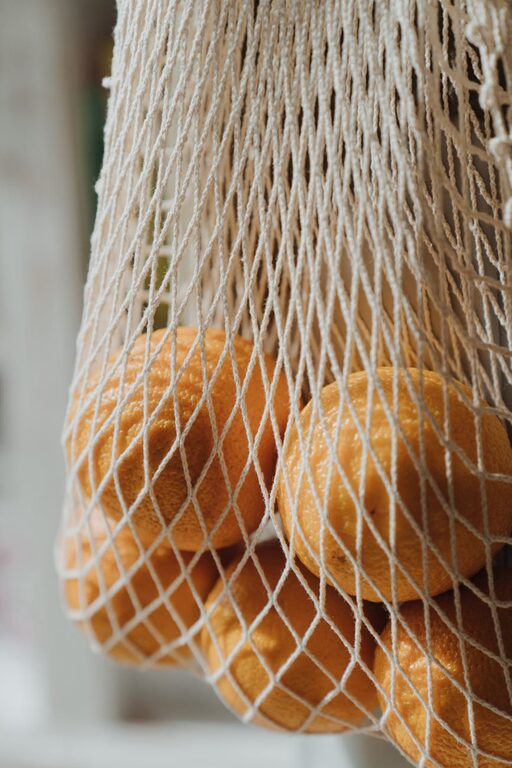
Reducing food waste is a simple step that can benefit your household budget and the environment. Every year, tons of edible food are thrown away, which not only wastes money but also contributes to greenhouse gas emissions. Fortunately, with thoughtful planning and a few easy habits, you can significantly cut food waste at home. Here are some practical strategies to get started.
Understanding Food Waste at Home
Before diving into solutions, it’s helpful to know where most food waste typically happens in a household. Common areas include:
– Forgotten leftovers spoiled in the fridge
– Over-purchasing fresh produce
– Spoiled fruits and vegetables due to improper storage
– Unused pantry items reaching expiration dates
– Food prepared in excess and not eaten
By identifying your common food wasters, you can focus efforts on those areas.
Smart Grocery Shopping
Plan Your Meals
Meal planning is one of the best ways to reduce food waste. By deciding what to cook for the week, you buy only what you need.
– Create a shopping list based on meals you intend to make.
– Stick to the list to avoid impulse buys.
– Consider incorporating versatile ingredients used in multiple dishes.
Shop With Purpose
– Shop when you are not hungry to avoid over-purchasing.
– Choose loose fruits and vegetables so you can buy exact quantities needed.
Proper Food Storage Techniques
Storing food correctly can extend its freshness and usability.
Fruits and Vegetables
– Keep fruits and vegetables separate; many fruits emit ethylene gas that speeds up ripening.
– Store leafy greens with a paper towel in a container to absorb excess moisture.
– Use perforated bags for produce that needs air circulation.
Leftovers and Cooked Food
– Cool leftovers quickly and store in airtight containers.
– Label containers with dates to keep track of freshness.
Pantry Essentials
– Organize pantry shelves so older items come to the front and get used first.
– Store grains and dry goods in sealed containers to prevent pests.
Creative Cooking Habits
Use Leftovers Wisely
Rather than tossing leftovers, get creative:
– Turn roasted vegetables into soups or pasta sauces.
– Use stale bread for croutons or bread pudding.
– Make smoothies with overripe fruits.
Portion Control
Serving appropriately sized portions helps reduce uneaten food on plates. You can always offer seconds if someone is still hungry.
Preserve Excess Food
– Freeze portions of cooked meals for later use.
– Consider pickling or fermenting surplus vegetables to extend shelf life.
Composting: Turning Waste into Resource
Some food scraps, like vegetable peels and coffee grounds, are great for composting instead of trash disposal. Composting reduces landfill waste and provides nutrient-rich soil for gardening.
How to Start Composting at Home
– Use a kitchen bin to collect compostable scraps daily.
– Transfer to an outdoor compost pile or compost bin regularly.
– Avoid adding meat or dairy products to compost as they attract pests.
Track and Reflect on Your Waste
Keeping an eye on what gets wasted can guide improvements:
– Maintain a simple food waste journal for a week. Note what types of food you discard.
– Look for patterns and adjust shopping or cooking routines accordingly.
Conclusion
Reducing food waste at home is achievable with planning, smart shopping, proper storage, and creative cooking. Not only will you save money, but you will also contribute to a healthier planet. Start with small changes and gradually build habits that make a big difference over time.
By incorporating these tips into your daily routine, you’ll enjoy fresher food, less clutter in the kitchen, and a more sustainable lifestyle. Give it a try and see how much food you can save!