
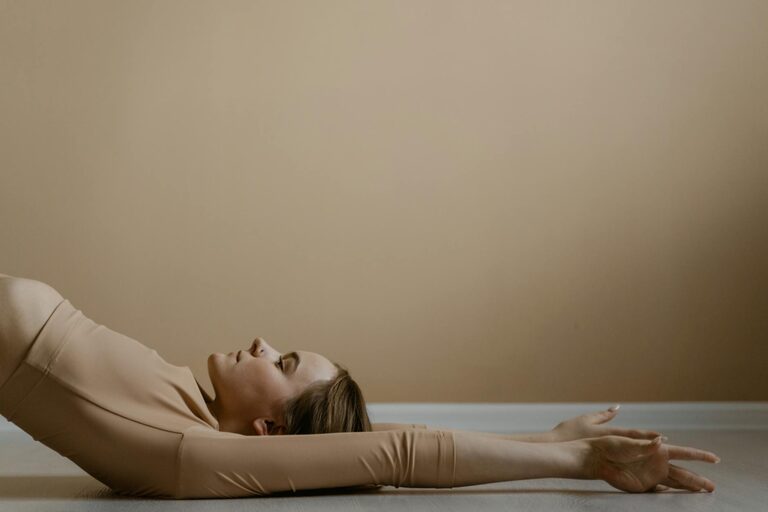
Stretching is a simple yet powerful way to improve your physical health, reduce muscle tension, and increase overall flexibility. Whether you’re starting an exercise routine or simply want to feel more comfortable in your daily movements, stretching at home can be a great addition to your lifestyle. This beginner’s guide will walk you through the basics of stretching, why it’s important, and how to create a safe and effective routine in the comfort of your own space.
Why Stretching Matters
Stretching helps keep your muscles flexible, strong, and healthy. Without regular stretching, your muscles can become tight, which increases the risk of injuries and can lead to aches or decreased range of motion. Stretching also promotes better posture and can help relieve stress by encouraging relaxation.
Key benefits include:
– Improved flexibility for easier movement
– Enhanced circulation to muscles and joints
– Reduced muscle soreness
– Better posture
– Increased relaxation and stress relief
Getting Started with Stretching at Home
Before you begin stretching, it’s important to keep a few tips in mind to ensure safety and effectiveness:
– Warm up first: Stretching cold muscles can cause injury. Start with 5–10 minutes of light activity like walking or marching in place.
– Stretch to the point of mild tension: You should feel a gentle pull, but never pain.
– Hold stretches steadily: Aim for 15 to 30 seconds per stretch, repeating 2-4 times.
– Breathe deeply: Proper breathing helps you relax and maintains oxygen flow to muscles.
– Avoid bouncing: Stretch in a smooth, slow motion to prevent muscle strain.
Essential Stretches for Beginners
Here are some basic stretches that target major muscle groups. These exercises require no equipment and can be done in a small space at home.
1. Neck Stretch
– Sit or stand with your back straight.
– Slowly tilt your head toward one shoulder until you feel a stretch on the opposite side.
– Hold, then switch sides.
2. Shoulder Stretch
– Bring one arm across your chest.
– Use the opposite arm to gently press the stretching arm closer to your chest.
– Hold and switch arms.
3. Chest Opener
– Clasp your hands behind your back.
– Straighten your arms and gently lift your hands upward while opening your chest.
– Hold the stretch.
4. Triceps Stretch
– Raise one arm overhead and bend the elbow, reaching your hand down your back.
– Use the opposite hand to gently push the bent elbow.
– Hold and switch sides.
5. Seated Forward Bend
– Sit with your legs extended straight in front of you.
– Slowly reach toward your toes while keeping your back straight.
– Hold the stretch without forcing it.
6. Quadriceps Stretch
– Stand on one leg, using a wall or chair for support.
– Grab your opposite ankle and pull it toward your buttocks.
– Keep knees close together and stand tall.
– Hold and switch legs.
7. Hamstring Stretch
– Lie on your back, one leg extended.
– Lift the other leg straight up and hold the back of your thigh.
– Keep the leg as straight as possible and hold, then switch legs.
8. Calf Stretch
– Stand facing a wall, arms extended on the wall.
– Step one foot back, keeping it flat on the floor.
– Lean forward slightly to stretch the calf muscle.
– Hold and switch legs.
Creating a Stretching Routine
To build a routine that fits your lifestyle, follow these steps:
- **Set a regular schedule:** Aim for at least 3 times a week. Consistency is key.
- **Start slow:** Begin with 10-15 minutes and gradually increase the time.
- **Listen to your body:** Never push through pain or discomfort.
- **Mix stretches:** Include both static (holding) and dynamic (moving) stretches if you wish to prepare for other physical activities.
- **Combine with other activities:** Stretching pairs well with yoga, walking, or strength training.
Additional Tips for Success
– Wear comfortable clothing that allows free movement.
– Use a yoga mat or soft surface for floor stretches.
– Stay hydrated before and after stretching.
– Keep track of your progress to stay motivated.
Conclusion
Stretching at home is a convenient and effective way to enhance your flexibility, reduce stress, and improve your overall well-being. With a few simple stretches and a mindful approach, you can develop a routine that supports your body’s needs and fits easily into your daily life. Remember, the journey to better flexibility begins with small, consistent steps—so start gently, keep it enjoyable, and watch your body thrive!
Happy stretching!