
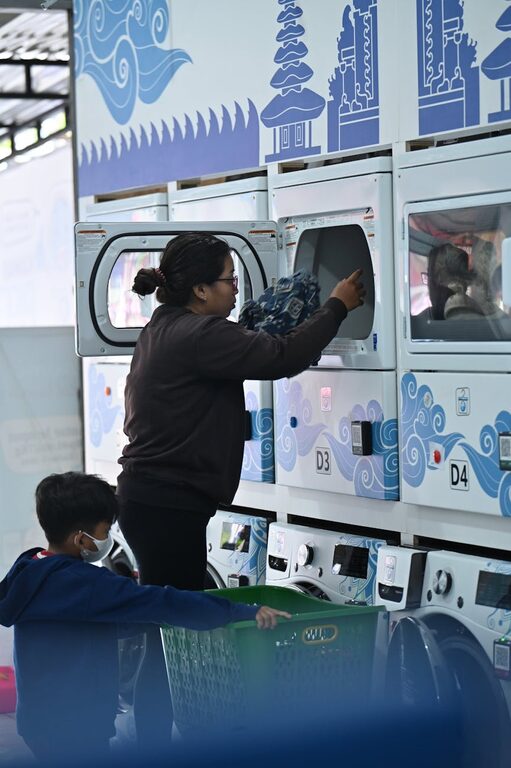
Taking good care of your clothes not only helps you save money by reducing the need to replace items frequently, but it also benefits the environment by minimizing waste. With a little attention and simple techniques, you can extend the life of your favorite garments. In this post, we’ll share practical tips to keep your clothes looking their best for longer.
Understand Your Fabric Types
Different fabrics require different care methods. Start by checking the labels on your clothes for specific instructions. Understanding fabric types helps you adjust the washing, drying, and storage process accordingly.
– Cotton: Durable but prone to shrinking; wash in cold water and avoid high heat drying.
– Wool: Delicate fibers that may felt or shrink; hand wash or use the wool cycle on your machine.
– Silk: Requires gentle handling; hand wash or use a delicate cycle with mild detergent.
– Synthetic fabrics (polyester, nylon): Generally low maintenance; avoid high heat when drying.
Sort Clothes Before Washing
Sorting clothes by color, fabric type, and washing temperature prevents damage such as color bleeding and fabric wear. Here’s a simple way to sort:
– Whites and light colors
– Dark colors
– Delicate fabrics or special care items
This step helps your clothes retain their original colors and textures.
Use the Right Detergent and Amount
Choosing the right detergent can make a huge difference. Use detergents suited for your fabric types, such as those designed for delicates or color protection. Always measure detergent according to the load size and soil level to avoid residue buildup, which can weaken fibers and cause dullness.
Wash Clothes Inside Out
Turning garments inside out before washing protects the outside surface from friction and fading. This is especially important for printed t-shirts, denim, and clothes with embellishments.
Wash in Cold Water When Possible
Cold water washing reduces fabric wear and color fading while saving energy. Many detergents are formulated to be effective even in cold water, allowing you to keep clothes fresher without harsh treatment.
Avoid Overloading the Washing Machine
Overloading prevents clothes from moving freely, which can cause excessive wrinkling and uneven cleaning. Follow your washing machine’s recommended load size for optimal results.
Use Gentle Cycles for Delicate Items
For delicate or loosely woven fabrics, use the gentle or hand wash cycle. This minimizes agitation and helps maintain the garment’s structure.
Skip Fabric Softeners and Bleach When Possible
Fabric softeners can leave residues that reduce fabric breathability and absorbency. Bleach can weaken fibers and cause yellowing over time. Instead, opt for natural alternatives like white vinegar or baking soda for softening and brightening.
Air Dry Clothes Whenever Possible
Machine drying can cause shrinkage, fading, and damage to delicate fibers. Air drying is gentler and helps preserve the shape and quality of your garments.
– Use hangers or drying racks indoors
– Avoid direct sunlight to prevent color fading
– Lay knitwear flat to dry to prevent stretching
Proper Ironing and Steaming
Iron clothes on the appropriate heat setting according to fabric type. If you’re unsure, test on a hidden seam. Using a pressing cloth can prevent shine marks on delicate fabrics. Alternatively, use a steamer to gently remove wrinkles without direct heat.
Store Clothes Properly
Proper storage can prevent damage from humidity, pests, and deformation.
– Use cedar blocks or sachets to keep moths away
– Keep clothes in a cool, dry place
– Hang structured clothing like jackets and dresses, fold knitwear to avoid stretching
Handle Stains Quickly
Treat stains as soon as possible with appropriate stain removers or gentle detergents. The longer a stain sits, the harder it is to remove and the more it can damage fabric fibers.
Rotate Your Wardrobe
Wearing the same items repeatedly increases wear. Rotate your clothes regularly to allow garments time to recover, maintaining their shape and appearance.
Repair Minor Damage Promptly
Fix small tears, loose buttons, or seams early to prevent further damage. Basic sewing skills or a tailor’s service can help extend your clothes’ lifespan considerably.
Final Thoughts
Caring for your clothes doesn’t have to be complicated or time-consuming. By following these straightforward tips, you can keep your wardrobe looking fresh, vibrant, and well-maintained for longer. Not only will this save you money in the long run, but it will also contribute to a more sustainable lifestyle by reducing textile waste.
Happy caring for your clothes!