
Creating a peaceful and quiet home environment is essential for relaxation, focus, and overall well-being. Whether you live in a bustling city or a busy neighborhood, unwanted noise can disrupt your daily life. Fortunately, there are several simple ways to reduce noise at home without costly renovations or professional help. In this post, we’ll explore practical tips and easy-to-apply methods that can help you enjoy a quieter living space.
Understanding Noise and Its Impact
Before diving into solutions, it helps to understand what kind of noise affects your home. Noise can come from outside sources such as traffic or neighbors, or from inside your home, like appliances or electronics. Reducing noise often requires addressing both external and internal sources.
Simple Ways to Reduce Noise at Home
1. Use Soft Furnishings to Absorb Sound
Hard surfaces reflect sound waves, making noise worse. Introducing soft materials around your home can help absorb sound effectively.
– Rugs and Carpets: Cover bare floors with rugs or carpets. They help muffle footsteps and reduce echoes.
– Curtains and Drapes: Heavy, thick curtains over windows absorb outside noise.
– Upholstered Furniture: Sofas, cushions, and fabric-covered chairs can reduce sound reflections.
2. Seal Gaps and Cracks
Noise often sneaks into your home through tiny gaps around doors and windows.
– Weatherstripping: Apply weatherstripping along door frames and window sashes to block drafts and sound.
– Door Sweeps: Install door sweeps to close the gap between the door and the floor.
– Caulk and Sealant: Use caulk to seal cracks around windows, walls, and baseboards.
3. Rearrange Your Furniture
Strategically placing furniture can create a noise barrier within rooms.
– Place bookshelves or large pieces of furniture against shared walls to block sound.
– Fill empty rooms with furniture and decor to minimize echo and reverberation.
– Use room dividers or screens to break up open spaces.
4. Install Soundproofing Solutions
If you’re ready for a slightly more involved solution, consider these upgrades.
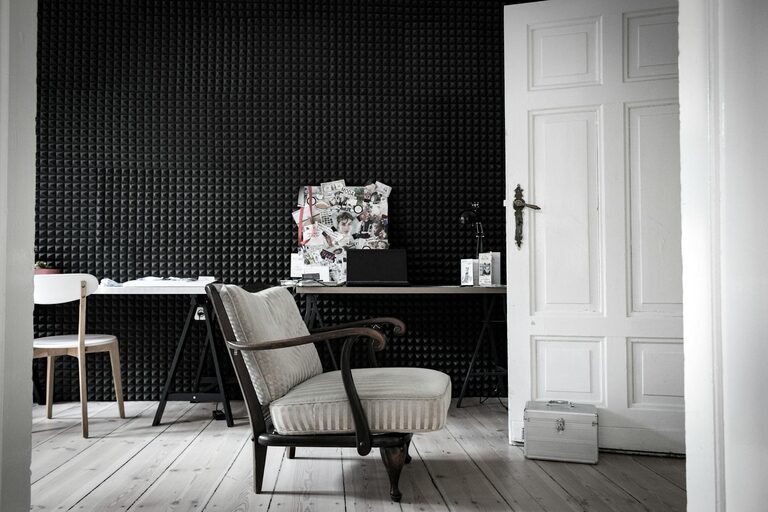
– Acoustic Panels: These panels absorb sound and reduce echo, great for home offices or entertainment rooms.
– Door Soundproofing: Replace hollow doors with solid core doors or add soundproofing blankets over existing doors.
– Double-Glazed Windows: These windows provide better insulation against noise compared to single-pane windows.
5. Manage Noise from Appliances and Electronics
Household devices can contribute to the overall noise level.
– Use Quiet Appliances: Look for appliances labeled “quiet” or “low-noise.”
– Maintain Equipment: Keep appliances clean and serviced to prevent noisy malfunctions.
– Turn Off Devices: When not in use, turn off TVs, computers, or music systems.
6. Create Quiet Zones
Designate certain rooms or areas as quiet zones to help you unwind and concentrate.
– Add noise-reducing curtains or window inserts in these areas.
– Use white noise machines or soft music to mask unwanted sounds.
– Consider placing indoor plants, which can help absorb sound to some extent.
7. Use Outdoor Barriers
Noise coming from outside can be managed with landscape design.
– Plant shrubs, trees, or hedges near your home to absorb sound.
– Build fences or walls to block and deflect street noise.
– Position outdoor seating away from noisy streets or neighbors.
Final Tips for Maintaining a Quiet Home
– Keep windows and doors closed during peak noise periods, like rush hours.
– Use rugs and curtains liberally in rooms that feel louder.
– Talk to neighbors kindly if late-night noise is an issue—it can sometimes be resolved through simple communication.
– Regularly inspect your home for new gaps or cracks that could let noise in.
Conclusion
Reducing noise at home doesn’t have to be complicated or expensive. By combining soft furnishings, sealing gaps, rearranging furniture, and using some soundproofing techniques, you can create a peaceful sanctuary free from excessive noise. Start with simple steps and gradually explore more advanced options to suit your needs and budget. A quieter home means more comfort and better quality of life for you and your family.
—
Implementing just a few of these ideas can dramatically improve your home’s sound environment. Enjoy the calm and quiet you deserve!